Introduction
About Mohamed Harb Company
What Are Multistage Pumps?
The BMS Series Overview
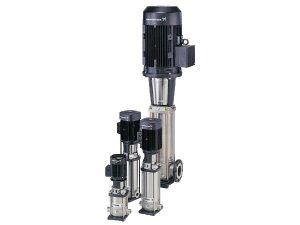
The BMS HP MGE Series
Technical Specifications of BMS HP MGE Pumps
Advantages & Benefits in Applications
Typical Applications for BMS HP MGE at Mohamed Harb
Installation, Operation, and Maintenance Best Practices
Efficiency, Energy Saving, and Sustainability
Comparison with Other Pump Series
Why Choose Mohamed Harb for BMS HP MGE Solutions
Challenges and Considerations
Future Trends and Outlook
Case Studies or Example Scenarios
Conclusion
Introduction
In the evolving landscape of industrial water systems, desalination plants, and pressure-boosting networks, the demand for high-performance, energy-efficient, and reliable pump solutions has never been greater. Multistage pumps, which can generate high pressures while maintaining flow efficiency, are crucial in many sectors. Among these, the BMS HP MGE series stands out as a sophisticated solution offered by Mohamed Harb Company (Mohamed Harb Group). This article delves deeply into the BMS HP MGE multistage pumps, exploring their design, benefits, applications, and why Mohamed Harb is a leading provider of this technology.
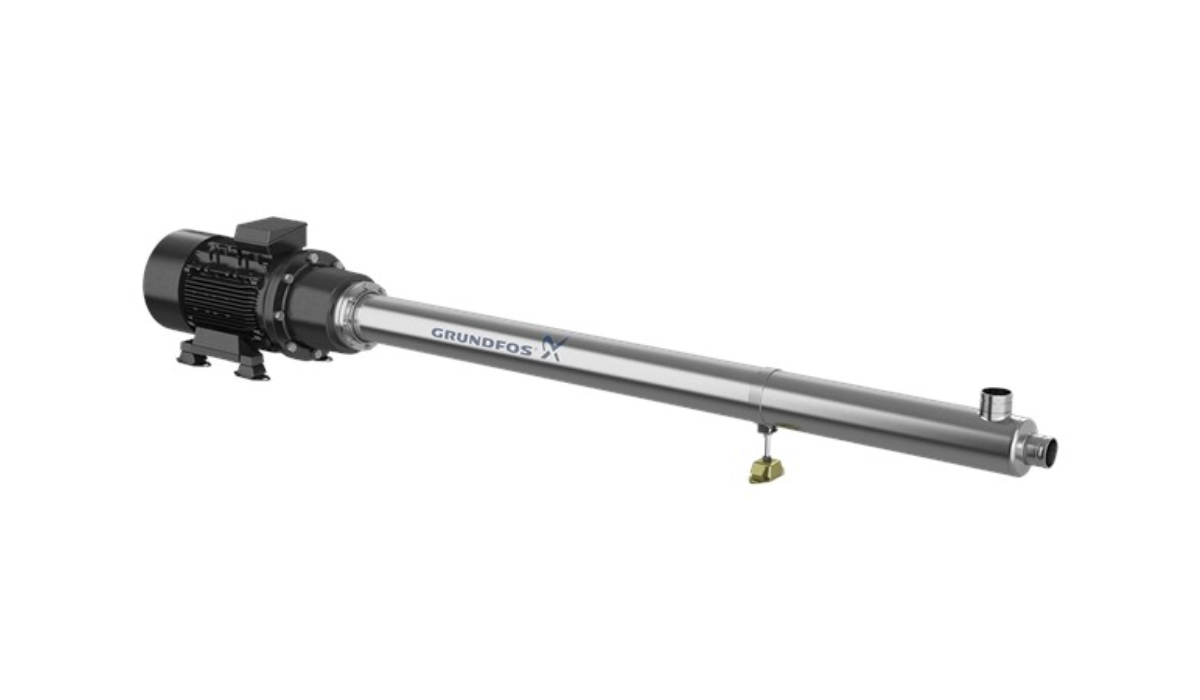
About Mohamed Harb Company
Mohamed Harb Group (شركة محمد حرب جروب) is a multifaceted engineering and contracting firm based in Egypt. Their business spans a variety of services:
-
Electromechanical contracting
-
General construction
-
Partnerships with major global brands (such as Grundfos and Schneider Electric) محمد حرب جروب –+1
-
Supplying, installing, and maintaining advanced pump systems محمد حرب جروب –+1
Founded in 2016, Mohamed Harb has rapidly grown in reputation, executing projects in infrastructure, water systems, and electromechanical works. محمد حرب جروب – Their close collaboration with leading international manufacturers enables them to offer premium-quality products tailored to the Egyptian market. محمد حرب جروب –+1
When it comes to pumping solutions, Mohamed Harb Group provides a comprehensive catalog, including multistage pumps, booster modules, and specialized equipment for water treatment
What Are Multistage Pumps?
To appreciate the BMS HP MGE series, it’s useful to understand multistage pump fundamentals.
-
A multistage pump is a centrifugal pump that has multiple impellers (stages) mounted in series on the same shaft.
-
Each impeller increases the fluid’s energy, so by the time the fluid exits the final stage, it has reached a very high pressure (head).
-
These pumps are particularly effective when high pressure is needed without dramatically increasing the pump speed.
-
They can be configured in horizontal or vertical layouts; in the case of Mohamed Harb, horizontal multistage pumps are emphasized. محمد حرب جروب –
-
Because of their incremental pressure-boosting nature, multistage pumps are more efficient in high-head applications compared to single-stage pumps.
The BMS Series Overview
On the Mohamed Harb website, the BMS product line is prominently featured. محمد حرب جروب – Key points about BMS from their site:
-
The BMS unit is described as a boost module (“وحدة تقوية”) that is suitable for various applications such as drinking water treatment, desalination, and industrial water supply & transfer. محمد حرب جروب –
-
According to Mohamed Harb, the maximum flow in the BMS range can reach 951 L/s, and the maximum head (height) goes up to 1,053 meters. محمد حرب جروب –
-
Within the BMS line, there are multiple series tailored to different use-cases: for instance, in their horizontal multistage pump category, they list:
-
BMS high-speed/high-pressure
-
BMS hp MG Series
-
BMS hp MGE Series
-
BMS hs AC Series
-
BMS hs PM Series
-
BMS XL Series محمد حرب جروب –
-
These variations reflect the flexibility of the BMS platform to serve from general-purpose boosting up to very specialized, high-efficiency, frequency-controlled applications.
The BMS HP MGE Series: Key Features
The BMS hp MGE (Multistage), as presented on Mohamed Harb’s site, has a set of defining features:
-
Frequency-Controlled Motors
-
The MGE series is equipped with variable-frequency drives (VFDs), which allow precise speed control of the pump motor. محمد حرب جروب –
-
This means the pump can adjust its speed to match the system demand, improving efficiency, reducing wear, and saving energy, especially in variable-load systems.
-
-
High-Performance Hydraulic Design
-
The multistage configuration ensures that high pressure (head) can be generated in compact form.
-
The horizontal layout makes it suitable for installations where vertical space may be limited.
-
-
Robust Pressure Capacity
-
According to the Mohamed Harb site, the BMS hp MGE series has a maximum flow of 254 m³/h and a maximum head of 126 meters. محمد حرب جروب –
-
These specs position it well for mid-to-high pressure applications.
-
-
Durability and Reliability
-
The design likely incorporates high-quality materials and precision engineering, consistent with standards for industrial water systems.
-
-
Wide Application Range
-
The BMS hp MGE is not just for boosting; it’s also suitable for water reuse, reverse osmosis (RO), filtration plants, and other demanding systems.
-
-
Serviceability
-
Given Mohamed Harb’s expertise in electromechanical works and after-sales support, these pumps can be professionally installed, maintained, and monitored.
-
Technical Specifications of BMS HP MGE Pumps
Based on the information provided on the Mohamed Harb site, here are the key technical data for the BMS hp MGE series:
-
Maximum Flow Rate: ~254 m³/h محمد حرب جروب –
-
Maximum Head: ~126 meters محمد حرب جروب –
-
Operating Pressure: While Mohamed Harb’s site doesn’t explicitly say the maximum pressure in bar for MGE, other BMS series on the same page have maximum operating pressures of up to 65 bar, linked to their high-pressure variants. محمد حرب جروب –
-
Liquid Temperature Range: On their horizontal multistage pump page, they mention a baseline range of 0–40 °C (with special designs possibly up to 140 °C) for certain pumps. محمد حرب جروب –
-
Motor / Drive: Incorporates frequency converters (VFD) for adjustable speed. محمد حرب جروب –
-
Pump Orientation: Horizontal multistage layout. محمد حرب جروب –
-
Max Flow for Other BMS Pumps: It’s helpful to compare: for example, their “high-speed or high-pressure” BMS horizontal multistage pumps can reach up to 416 m³/h and 1,056 meters head. محمد حرب جروب –
Note: Some of these technical values are approximate, drawn from Mohamed Harb’s published ranges; for precise model selection, one would need to consult detailed data sheets from Mohamed Harb or the pump manufacturer (e.g., Grundfos).
Advantages & Benefits in Applications
The BMS HP MGE series offers a number of advantages, particularly in industrial and water treatment settings. Some of the most significant benefits include:
-
Energy Efficiency
-
Thanks to the frequency-controlled motor, the pump can run at lower speeds when full capacity is not needed, reducing power consumption.
-
Less energy waste means lower operational costs, especially in systems with variable demand (e.g., RO plants, reuse systems).
-
-
Extended Lifespan
-
By avoiding constant full-speed operation and reducing mechanical stress, the VFD-driven design helps prolong the pump’s service life.
-
The multistage design spreads the workload across multiple impellers, which can reduce wear per stage.
-
-
Operational Flexibility
-
The ability to modulate speed allows the pump to adapt to changing system demands (flow and pressure), making it suitable for dynamic systems.
-
It can handle peak demands without overdesigning a fixed-speed pump.
-
-
Precision Control
-
With VFDs, operators can precisely set pressure or flow targets, improving control in critical processes (e.g., water reuse, desalination).
-
This control also allows for soft-starts and ramp-downs, which minimize hydraulic shocks and water hammer.
-
-
Reduced Maintenance Costs
-
Less mechanical stress and controlled operation can lead to fewer breakdowns.
-
The design can be more maintainable, especially when integrated into a well-supported system by a company like Mohamed Harb.
-
-
Compact Footprint
-
Horizontal multistage layout helps when vertical space is limited.
-
High head per stage means fewer stages may be needed, potentially reducing pump size and complexity.
-
-
Sustainability Gains
-
Energy savings contribute to lower carbon emissions.
-
Efficient water boosting and reuse align with sustainable water management practices.
-
Typical Applications for BMS HP MGE at Mohamed Harb
Based on the product positioning on Mohamed Harb’s website, the BMS HP MGE pumps are suited for the following types of applications:
-
Industrial Water Reuse
-
Systems where industrial effluents are treated and then re-pressurized for reuse.
-
Reuse loops often require variable flows and pressures, making VFD-driven multistage pumps ideal.
-
-
Reverse Osmosis (RO) / Filtration Systems
-
In RO plants, highly pressurized feed water is needed to push through membranes.
-
The MGE series can match the precise pressure requirements.
-
-
Municipal Water Supply
-
As booster units in water distribution networks, especially where height or distance requires significant head.
-
Suitable in both new installations and retrofits.
-
-
Desalination Plants
-
Either pre-treatment or post-treatment systems might require pressurization.
-
MGE’s variable-speed capability helps handle fluctuating demand.
-
-
High-Pressure Industrial Processes
-
Chemical plants, cooling systems, boiler feed, or any process where pressure boosting is critical.
-
Their robustness and control flexibility make them well-suited for demanding environments.
-
-
Commercial / Building Services
-
Large buildings or complexes that require stable water pressure and reliable pump operation, possibly integrated into building management systems.
-
Installation, Operation, and Maintenance Best Practices
To ensure the BMS HP MGE pumps deliver optimal performance and long life, the following best practices are important. Mohamed Harb, given its engineering and contracting experience, would likely recommend or follow these.
-
Installation
-
Proper Foundation & Alignment: Since these are horizontal multistage pumps, ensuring proper alignment of shafts and a sturdy foundation is critical to reduce vibration and wear.
-
Vibration Dampening: Use vibration isolation pads or dampening systems to minimize mechanical stress.
-
Electrical Setup: Ensure that the VFD (frequency converter) is correctly wired, grounded, and protected. The control panel should be installed according to manufacturer’s guidelines.
-
Sensor Integration: Install pressure, flow, and possibly temperature sensors as required for closed-loop control.
-
Pump Priming: Before commissioning, prime the pump (fill it with liquid) to prevent dry running.
-
-
Operation
-
Soft Start / Ramp-Up: Use VFD ramp settings to gradually bring the pump up to operational speed to avoid water hammer or surge.
-
Setpoint Tuning: Adjust control parameters to match system demand. For example, set a target pressure or flow that the pump will maintain under various conditions.
-
Monitoring: Use the control system to monitor key parameters (current, speed, pressure). Any anomalies should be flagged.
-
Use Protective Features: Make full use of dry-run protection, overcurrent protection, and thermal protection if available.
-
-
Maintenance
-
Regular Inspections: Check seals, bearings, and impellers for wear. Inspect coupling alignment.
-
Lubrication: If the design requires bearing lubrication, follow specified schedules.
-
Filter / Strainer Cleaning: Clean or replace strainers and filters to ensure clean fluid intake.
-
VFD Service: Keep the frequency converter clean, monitor for fault codes, and ensure its ventilation is not obstructed.
-
Seal Replacement: Mechanical seals should be periodically checked for leakage and replaced when necessary.
-
Log Performance Data: Maintain a log of flow, pressure, speed, runtime, and any faults. This helps with predictive maintenance.
-
Spare Parts: Keep critical spares (seals, impellers, VFD components) on hand to minimize downtime.
-
Efficiency, Energy Saving, and Sustainability
The BMS HP MGE series by Mohamed Harb is well-positioned to contribute to sustainability goals. Here is how:
-
Variable Speed Operation: The frequency-driven motor allows the pump to consume only as much power as needed, reducing electricity waste.
-
Reduced Carbon Footprint: Less energy consumption means fewer greenhouse gas emissions if the energy source is fossil-fuel-based.
-
Longevity: Longer-lasting equipment reduces the need for frequent replacements, thereby reducing material waste and embodied carbon.
-
Water Reuse Facilitation: In systems where water is recycled (industrial effluent, reuse loops), the MGE pumps enable efficient conveyance and reuse, reducing freshwater consumption.
-
Smart Control: With VFDs and modern control systems, the pump can integrate into larger building or process management systems for demand-response, peak shaving, or other smart utility strategies.
Comparison with Other Pump Series
On the Mohamed Harb website, the BMS hp MGE series is presented alongside other BMS / multistage pump series. Here’s how it compares:
| Series | Key Characteristic | Application Strengths |
|---|---|---|
| BMS high-speed / high-pressure | High head (very large pressure) | Ideal for extreme high-head applications (e.g., tall buildings, very long pipelines) محمد حرب جروب – |
| BMS hp MG | Industrial water reuse, RO, fixed-speed | Good for systems where VFD is not necessary, or constant speed is acceptable; maximum flow of 342 m³/h and head 125 m, per site. محمد حرب جروب – |
| BMS hp MGE | Frequency-controlled multistage | Best for variable demand, energy optimization, and high control precision. Flow ~254 m³/h, head ~126 m. محمد حرب جروب – |
| BMS hs AC | High-speed design for RO/filtration | For systems needing very high-speed hydraulic performance. محمد حرب جروب – |
| BMS hs PM | Precision motor control | Suitable for systems where very fine control is needed, perhaps in lab or sensitive water processes. محمد حرب جروب – |
| BMS XL | Large scale applications | Designed for large flow + moderate to high head; e.g., ~416 m³/h, head 642 m, 65 bar max. محمد حرب جروب – |
From this comparison, the MGE series stands out when you want efficient, controllable, and flexible performance, without the extremes of the high-speed or XL variants.
Why Choose Mohamed Harb for BMS HP MGE Solutions
Mohamed Harb Company is not just a supplier — they are a full-solution provider. Here’s why choosing them for BMS HP MGE pumps makes strategic sense:
-
Local Expertise & Support
-
Being based in Egypt, Mohamed Harb offers localized engineering, installation, and maintenance.
-
Their team understands regional water challenges, infrastructure norms, and project realities.
-
-
Partnership with Global Brands
-
Their relationship with Grundfos (the likely manufacturer) means access to genuine, high-quality BMS series pumps. محمد حرب جروب –
-
They can source the right MGE modules and support systems.
-
-
Electromechanical Integration Capability
-
Mohamed Harb is experienced in integrating pumps into broader electromechanical systems (control panels, VFDs, building automation). محمد حرب جروب –
-
This makes commissioning smoother and ensures that the pump works in harmony with other building or plant systems.
-
-
After-Sales & Maintenance
-
They provide maintenance, spare parts, and on-site service, which is crucial to protect the investment in multistage pumps.
-
Their service support probably includes periodic checks, preventive maintenance, and repair.
-
-
Project Experience
-
Mohamed Harb has worked on significant infrastructure projects (water, energy, buildings), giving them the experience to size, install, and optimize pump systems in complex environments. محمد حرب جروب –
-
Their portfolio demonstrates trust and reliability, which is essential when deploying critical pumps.
-
-
Sustainability Vision
-
Their emphasis on energy-efficient, high-quality pump solutions aligns with broader environmental and sustainability goals.
-
By promoting pump systems like BMS HP MGE, Mohamed Harb supports efficient water management and energy use.
-
Challenges and Considerations
While the BMS HP MGE series is powerful and versatile, there are important challenges and considerations to keep in mind:
-
Cost
-
Frequency-controlled multistage pumps are generally more expensive upfront than fixed-speed equivalents.
-
VFDs add cost (both hardware and installation).
-
-
Complexity
-
Requires more sophisticated control logic. The system must be properly programmed to leverage VFD benefits (pressure setpoints, ramp times, fault handling).
-
Maintenance staff need training to service VFDs as well as mechanical components.
-
-
Electrical Infrastructure
-
The electrical supply must support VFDs (voltage, current, harmonic considerations).
-
There may be a need for filtering or surge protection.
-
-
System Design
-
Over-specifying the pump (too high a capacity) can reduce efficiency. Proper hydraulic design is critical.
-
Sizing requires understanding of both flow and pressure demands, including future variability.
-
-
Reliability Risks
-
VFDs can fail or have electronic faults; backup strategies or redundancy might be needed.
-
Mechanical seals and bearings still need regular inspections; failure of one stage can affect entire performance.
-
-
Environmental Conditions
-
Ambient temperature, vibration, and installation environment affect both pump and VFD lifetime.
-
Water quality is vital: suspended solids, abrasives, or contaminants can lead to erosion or wear over time.
-
-
Return on Investment (ROI)
-
The energy savings must justify the higher capital cost. This depends on how variable the load is, how long the pump runs, and electricity cost.
-
Future Trends and Outlook
Looking ahead, the BMS HP MGE series and its deployment via a company like Mohamed Harb can align with several trends in water infrastructure and smart industry:
-
IoT & Smart Monitoring
-
Integration of sensors, remote telemetry, and cloud-based monitoring can further optimize pump performance.
-
Predictive maintenance could reduce downtime and extend the pump’s life.
-
-
Energy Grid Integration
-
Pumps may adjust their operation based on electricity tariffs or grid signals (demand response), especially when VFDs are involved.
-
Hybrid renewable-powered systems (e.g., solar + pump) may benefit from variable-speed control.
-
-
Sustainable Water Reuse
-
As water scarcity intensifies, water reuse systems in industry and municipalities will expand, increasing demand for efficient boosting solutions like MGE.
-
These pumps could become central in circular water systems.
-
-
Green Certifications & Regulations
-
Energy-efficient pumping solutions may help projects achieve green building certifications (e.g., LEED) or comply with stricter energy efficiency regulations.
-
Governments may incentivize the use of variable-speed technologies.
-
-
Advanced Materials
-
Future MGE models may use more advanced alloys or coatings for longer life, especially in aggressive or corrosive fluids.
-
-
Digital Twin & AI
-
Using digital twin simulation models, operators can optimize pump performance in real time and predict failures.
-
AI algorithms could dynamically adjust speed based on patterns, minimizing wear and maximizing energy savings.
-
Case Studies or Example Scenarios
While Mohamed Harb’s website does not (publicly) provide detailed case studies specifically for BMS HP MGE, we can conceptualize applications and likely project scenarios based on the types of systems they serve:
-
Desalination Plant Upgrade
-
A coastal RO desalination plant needs to replace aging booster pumps with more efficient units.
-
They install BMS HP MGE pumps to deliver the precise high-pressure feed needed for membranes.
-
The VFDs allow ramping up only when required, saving energy during lower demand periods.
-
-
Industrial Water Reuse System
-
A manufacturing plant treats its process water and reuses it. The reuse loop needs a pump that can handle variable flow and pressure.
-
Choosing MGE means that when reuse demand is low, the pump runs slower; when demand spikes, speed increases — all with optimized energy use.
-
-
Municipal Pressure-Boosting Network
-
A city’s water distribution network has zones with varying elevation and demand.
-
Installing BMS HP MGE units in booster stations ensures consistent pressure, reduces water loss, and lowers energy consumption.
-
-
Large Commercial Building / Smart Building
-
In a commercial skyscraper, the building management system integrates with MGE pump VFDs to adjust pressure based on floor demand.
-
During off-peak hours (night), the pump runs slower, reduces power usage, and extends service life.
-
Conclusion
The BMS HP MGE Multistage Pump series, as offered by Mohamed Harb Group, represents a modern, efficient, and flexible pumping solution for a wide range of high-performance water systems. With its frequency-controlled motor, robust multistage design, and capacity for high head and flow, the MGE series is well-suited for demanding environments such as industrial reuse, desalination, booster networks, and more.
Mohamed Harb’s strength lies not only in providing these pumps but also in integrating them into electromechanical systems — from design and installation to maintenance and after-sales service. This makes them a strategic partner for projects that value performance, energy efficiency, and long-term reliability.
While the more advanced technology comes with higher upfront costs and design complexity, the operational savings and system resilience often justify the investment, especially for projects with variable demand. Looking forward, as digitalization, energy efficiency, and water sustainability become ever more important, the role of pumps like the BMS HP MGE will only grow.