Introduction
What are BMS HP MG Pumps?
Technical Specifications of BMS HP MG Pumps
Applications and Uses of BMS HP MG Pumps
Advantages of BMS HP MG Pumps
Potential Challenges and Risks
Operation and Maintenance of BMS HP MG Pumps
Comparison Between BMS HP MG and Other Pump Types
Case Studies (Potential Application Examples)
Future Prospects
Recommendations for Companies and Project Engineers
Conclusion
Resources
Introduction
In an era of rapid urban and industrial development, water pumping systems and pumps are a critical element for maintaining water efficiency and pressure, whether in residential buildings, industrial plants, or water desalination stations. Among the prominent companies in this field in Egypt, the Muhamed Harb Group for Contracting stands out as a leading entity providing integrated solutions for electromechanical pumps, through its partnerships with global companies such as Grundfos.
Among these solutions, the BMS HP MG pump series stands out, offering high performance in terms of pressure and efficiency. These pumps are suitable for multiple applications, including water desalination (Reverse Osmosis), industrial water reuse systems, and high-demand water pumping stations.
In this article, we will provide a detailed review of the BMS HP MG pumps from the perspective of Muhamed Harb Group, starting with their definition, technical specifications, applications, advantages, challenges, and how to operate and maintain them, culminating with practical examples and future prospects.
Overview of Muhamed Harb Contracting Company
Before delving into the pumps, it is important to provide some background on the company offering these systems:
Establishment and History
The Muhamed Harb Group was established in 2016 and quickly expanded to cover contracting, finishing, and electromechanical works.
Distinguished Electromechanical Activity
Through its official website, the company offers a wide range of services, including the supply and installation of Grundfos pumps, control systems, and specialized mechanical and electrical works.
Partnership with Grundfos
One of the cornerstones of its offerings is the partnership with Grundfos, the global pump specialist, enabling the company to provide advanced, high-quality pumps along with technical support and execution expertise.
Project Experience
The company has a significant portfolio of projects, including electromechanical works for the Ministry of Electricity and Renewable Energy, banks, and hospitals, demonstrating strong execution capabilities.
This combination of contracting specialization and electromechanical expertise makes Muhamed Harb a trusted provider of advanced pumping systems, including BMS HP MG pumps.
What are BMS HP MG Pumps?
To understand BMS HP MG pumps, we first need to break down the name:
-
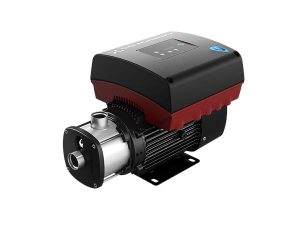
BMS: Refers to the type or category of multistage pumps used in high-pressure, high-efficiency pumping systems, often in applications such as water desalination (RO) or industrial pumping. The Muhamed Harb Group lists the “BMS” series within its pump portfolio.
-
HP: Usually stands for High Pressure, suitable for applications that require significantly increasing water pressure.
-
MG: Part of the technical designation on the Muhamed Harb site (in the horizontal multistage pumps section). On the “Horizontal Multistage Pumps” page, the company lists the BMS HP MG Series as a model within their horizontal multistage pump lineup.
From the Muhamed Harb site, we also see that these horizontal multistage pumps deliver high performance, achieving very large flow rates and very high pressures.
Technical Specifications of BMS HP MG Pumps
Based on information from the Muhamed Harb website, the technical specifications of BMS HP MG pumps can be summarized as follows:
Type and Design
-
Horizontal multistage pumps. – Muhamed Harb Group
-
The horizontal design facilitates installation in horizontal spaces and provides easier maintenance compared to some vertical pumps.
Performance (Flow and Pressure)
-
Maximum flow reaches up to 342 m³/h (for the BMS HP MG series). – Muhamed Harb Group
-
Maximum head or pressure reaches approximately 125 meters for this series. – Muhamed Harb Group
-
These values make the pumps suitable for high-pressure applications within networks or industrial uses that require continuous pumping at stable pressure.
Operating Pressure
-
The pumps can operate at high operating pressure (listed as 65 bar on the general horizontal pumps page of Muhamed Harb Group). – Muhamed Harb Group
-
The ability to operate under these pressures makes them ideal for systems requiring high pressure, such as water desalination or pumping between elevated tanks.
Efficiency and Power
-
This series is designed to provide high energy efficiency through the multistage design, reducing energy consumption to reach the required pressure. – Muhamed Harb Group
-
Some models may include variable frequency drive (VFD) motors or high-efficiency motors to adjust performance as needed (specifically, the Muhamed Harb website mentions the MGE series for this purpose, which will be discussed later).
Thermal Range
-
On the horizontal pumps page, Muhamed Harb mentions that some pumps support a liquid operating temperature range from 0 °C to 40 °C, with some special designs supporting higher temperatures. – Muhamed Harb Group
-
This allows the pumps to be used in industrial applications or water treatment plants that operate in varying temperature environments.
Maximum Operating Pressure
-
The maximum operating pressure reaches 65 bar, which is very high and indicates the significant capability of these pumps in high-pressure applications. – Muhamed Harb Group
Materials of Construction
-
In multistage pumps, internal components such as impellers, casings, and seals are expected to be made of durable materials (e.g., stainless steel or suitable alloys) to withstand high pressures and ensure continuous operation. (The Muhamed Harb website does not specify every material for this series, but high-pressure multistage pumps typically use robust materials to handle pressure and corrosion.)
Installation and Maintenance
-
The horizontal design simplifies installation and maintenance. – Muhamed Harb Group
-
It is recommended to use vibration dampeners during installation to maintain pump stability. – Muhamed Harb Group
-
Continuous inspection of covers, bearings, seals, and regular lubrication of shafts is advised if required.
Applications and Uses of BMS HP MG Pumps
BMS HP MG pumps offer great flexibility in applications due to their high performance and strong pressure. The following are some typical applications:
Water Desalination Plants (Reverse Osmosis)
In water desalination plants, pressure is a key requirement for feeding the membrane units (RO). Given the ability of BMS HP MG pumps to generate high pressure, they can be used to supply water through reverse osmosis membranes efficiently.
Industrial Water Reuse Systems
In factories that rely on water recycling (such as chemical plants, food industries, and general manufacturing), these pumps can transfer recycled water between tanks or from a treatment plant to the point of use, ensuring the required pressure for treatment or pumping operations.
High-Rise Building Water Pressure Systems
In residential or commercial towers or multi-story apartments, it may be necessary to use high-pressure pumps to ensure water reaches the upper floors at adequate pressure. BMS HP MG pumps can be part of a booster system in such cases.
Industrial Cooling and HVAC Systems
In large cooling centers or air conditioning systems that use water for cooling or recycling, pumps may need to supply water at a specific pressure to circulate it through heat exchangers or extended networks. Multistage pumps like BMS HP MG are suitable for this use.
High-Pressure Water Supply
In certain water networks, especially when transporting water over long distances or to high elevations, high-pressure pumps may be necessary to ensure efficient delivery. BMS HP MG pumps are an excellent choice for this purpose.
Industrial or Agricultural Water Pumping Stations
In large-scale agriculture or industrial irrigation, it may be necessary to pump large volumes of water at a certain pressure to ensure even distribution or to feed spraying or pressurized irrigation systems. BMS HP MG pumps can efficiently meet these requirements.
Advantages of BMS HP MG Pumps
There are several advantages that make BMS HP MG pumps an attractive choice for industrial projects or advanced pumping applications:
High Pressure and Strong Performance
Thanks to their multi-stage design and ability to achieve a high head, these pumps can deliver high pressure efficiently. This is especially important in applications that require strong driving force.
High Energy Efficiency
The multi-stage design allows for efficiency when generating high pressure, as energy is transmitted gradually through the stages. This reduces energy consumption compared to less efficient pumps or pumps with lower output at high pressures.
Operational Flexibility
These pumps can be used in a wide range of operating conditions, whether in desalination, industrial, or residential pumping applications.
They can be installed horizontally, offering greater flexibility in installation space.
Durability and Sustainability
The components are likely made from strong materials that can withstand high pressure and corrosion. This ensures a long service life if the pump is maintained regularly.
The horizontal design, along with the possibility of installing vibration dampers, reduces mechanical stress and prolongs the pump’s lifespan.
Services from Mohamed Harb Company
Since these pumps are offered through Mohamed Harb Contracting, clients benefit from additional advantages such as technical support, specialized installation, maintenance, and possibly local spare parts, which reduce long-term operational costs.
Mohamed Harb’s expertise in electromechanical works means they have experience implementing these pumps within larger systems, such as desalination plants or complex water pumping networks.
Smart Maintenance and Management
As multi-stage pumps are often part of complex pumping systems, integrating them with control and monitoring systems (such as a Building Management System – BMS) can enhance operational efficiency, reduce errors, and enable predictive maintenance or on-demand operation to save energy.
Potential Challenges and Risks
Despite the significant advantages, it is also important to consider the potential challenges when using BMS HP MG pumps:
High Initial Cost
Investing in high-performance multi-stage pumps often costs more than simpler or lower-capacity pumps.
The cost is not limited to the pump itself but also includes installation, calibration, and associated control systems if required.
Complex Maintenance
Multi-stage pumps require precise maintenance (regular inspection, lubrication, seal checks, and alignment verification).
Having multiple components increases the likelihood of part failures, especially if maintenance is not performed regularly.
Required Technical Skills
Proper installation and operation of these pumps require experienced technicians or engineers familiar with multi-stage pumps and high-pressure systems.
Motor maintenance, electrical connections, pressure adjustment, and vibration management are tasks that may exceed the expertise of non-specialized contractors.
Infrastructure Requirements
To ensure efficient pump operation, the surrounding system (pipes, tanks, control panels) must be designed to withstand the appropriate pressure and flow.
The project may require vibration dampeners, safety systems, relief valves, and monitoring devices to ensure safe operation.
Operational Risks
If the pump is used outside its design range (e.g., operating beyond the recommended flow or pressure), the system may experience damage (vibrations, leaks, seal failure).
Running the pump dry can cause severe damage if dry-run protection systems are not installed.
Overheating of the motor or excessive load can reduce the pump’s lifespan if protective mechanisms are not in place.
Operation and Maintenance of BMS HP MG Pumps
To ensure the pumps operate efficiently and have a long service life, it is essential to follow proper operation and maintenance practices:
Installation
-
Ensure correct alignment between the pump and motor during installation.
-
Use vibration dampeners to reduce vibrations and ensure stable operation. (Muhamed Harb Group)
-
Make sure the pump is mounted on a solid base and that the connections (inlet and outlet pipes) are carefully designed to avoid unexpected pressures and sharp bends.
Initial Start-Up (First Operation)
-
Before starting the pump, ensure the system is filled with water (priming) if required, to prevent the pump from running dry.
-
Open the inlet and outlet valves gradually to avoid sudden pressure on the pump.
-
Monitor the electrical current, pressure, and flow during the first start-up, and ensure that the values are within the pump’s designed range.
Operational Monitoring
-
Use monitoring tools such as pressure, current, and temperature sensors.
-
If the system is equipped with a smart control panel or BMS, set up alerts to notify when certain limits are exceeded (e.g., motor overheating, low flow, abnormal vibration).
Routine Maintenance
-
Schedule regular inspection and maintenance (e.g., monthly or quarterly) based on operating conditions.
-
Check seals and bearings, and replace them if necessary.
-
Clean internal components if sediment has accumulated (especially in water treatment systems).
-
Ensure moving parts are properly lubricated if required according to the pump design.
-
Verify that electrical connections are intact without damage or wear.
Preventive Measures
-
Install a safety relief valve if not already integrated, to protect the pump and system from overpressure.
-
Use protection switches such as overcurrent protection and dry-run protection.
-
If the pump is part of a control system, ensure safe operating settings are configured (e.g., time intervals for pump operation, operation priority, etc.).
Comparison Between BMS HP MG and Other Pump Types
To understand the distinct advantages of BMS HP MG pumps, it is useful to compare them with some other categories:
| Type | Strengths | When It Is Suitable |
|---|---|---|
| BMS HP MG (Horizontal Multistage) | High pressure, large flow, high energy efficiency, multistage design | When high-pressure pumping is required or for pumping over long distances / high elevations, or in desalination plants or industrial water recycling systems |
| BMS HP MGE (with frequency-controlled motor) | Higher energy efficiency, speed control, responsive to variable loads | In systems where demand is not constant, or where water/pressure requirements fluctuate, making adjustability important for energy savings |
| BMS HS AC (High Speed) | High-speed design, suitable for small units or limited space | In very small systems or small RO plants, where high speed helps generate pressure without using a very large pump |
| BM / BM HP (Booster Unit) | Focused on pressure control in water systems (e.g., constant pressure systems) | In tall buildings, booster systems provide stable pressure to end users |
From this table, it is clear that BMS HP MG pumps represent a well-balanced solution combining high pressure, flow, and efficiency, making them suitable for a wide range of applications.
Case Studies (Potential Application Examples)
To add more realism, here are some application scenarios in which Muhamed Harb Company might use BMS HP MG pumps in their projects:
Coastal Desalination Plant Project
In a seawater desalination plant, BMS HP MG pumps may be used to feed Reverse Osmosis (RO) units with a consistent high pressure.
Thanks to the advantages these pumps offer (steady pressure, energy efficiency), the project can reduce energy consumption and improve desalination efficiency.
Muhamed Harb Company may handle supply, installation, and calibration, while providing a monitoring system for regular maintenance.
High-Rise Residential Building (Residential or Commercial Tower)
In a multi-story building, BMS HP MG pumps are installed in the mechanical room to supply water pressure to all floors, especially the upper floors.
Thanks to the multi-stage pump design, they can handle high demand without significant pressure fluctuations, improving user comfort.
With a BMS control system, the pumps can operate intelligently—for example, activating additional pumps during peak demand and shutting some off when demand is low.
Industrial Plant with Water Recycling
A chemical or food processing plant may want to reuse water generated from production or cleaning processes.
After water treatment, BMS HP MG pumps are used to transfer treated water to storage tanks or points of use under the appropriate pressure.
This reduces the consumption of fresh water, lowers operating costs, and ensures the required pressure for internal processing applications such as spraying, cleaning, or cooling.
Large Agricultural Irrigation Network
A large farm relies on pressurized irrigation (e.g., sprinklers or drip systems through high-pressure networks).
Water is pumped from a central tank via BMS HP MG pumps to provide steady pressure, ensuring even water distribution across the network.
Pump speed can be adjusted (if a controlled version is used) to reduce consumption during low-demand periods (e.g., nighttime).
Future Prospects
With technological advancements and the increasing demand for water and energy efficiency, there are several future trends for pumps like the BMS HP MG, especially when implemented by a company such as Mohamed Harb:
Transition to Renewable Energy
The possibility of operating pumps using renewable energy sources such as solar panels. This can reduce operating costs and increase sustainability, particularly in rural areas or facilities aiming for low carbon footprints.
Smart Systems and Remote Monitoring
Integrating pumps into smart control systems (BMS) with the Internet of Things (IoT) allows real-time performance monitoring, data analysis, and fault prediction (predictive maintenance).
This helps reduce downtime, extend operational lifespan, and lower maintenance costs.
Efficiency Improvement through Advanced Motors
Using higher-efficiency motors or variable frequency drive (VFD) motors to adjust pump speed more precisely according to demand.
Technologies such as permanent magnet motors can reduce energy losses and increase efficiency.
Innovative Materials and Optimized Pump Design
Using lightweight alloys that are more resistant to corrosion and chemical wear.
Redesigning impellers to minimize energy losses and enhance fluid pressure efficiency.
Integration with Advanced Water Treatment Systems
In future desalination or water reuse plants, pumps can be integrated with advanced treatment units such as new membranes or intelligent chemical systems to achieve better performance and higher efficiency.
Using pumps within fully recirculating water systems as part of sustainable infrastructure can support water recycling and minimize losses.
Recommendations for Companies and Project Engineers
If you are an engineer or project manager considering the use of BMS HP MG pumps through Mohamed Harb Company, here are some recommendations:
Accurate Requirement Analysis
Before selecting the pump, carefully calculate the required flow rate, head (elevation difference), operating pressure, and fluid temperature.
Use this data to choose the most suitable model from the MG series (or possibly another model like MGE if you require speed control).
Collaboration with the Mohamed Harb Team from the Start
Given Mohamed Harb’s expertise in supply and execution, it is advisable to involve them in the early design phase to estimate costs and optimize infrastructure (pipes, panels, valves).
They can propose installation layouts, control options, protection, maintenance plans, and more.
Implement a Monitoring and Control System
Consider integrating the pumps with a BMS or smart control panel for effective operation and oversight.
Think about adding sensors for pressure, current, vibration, and temperature to ensure safe operation.
Establish a Maintenance Plan
Set up a regular maintenance schedule, including inspection of seals and bearings, cleaning, lubrication, and monitoring.
Train local technicians on maintaining multistage pumps and understanding the design specifics of the BMS HP MG.
Emergency Planning
Ensure the presence of safety valves and protective switches (such as dry-run protection and overcurrent protection).
Consider an alternative operating plan or backup pumps if the system is critical (such as a desalination plant or a high-importance water network).
Performance Monitoring and Continuous Improvement
After commissioning, monitor pump performance and compare it with the design specifications.
Use operational data to optimize pumping operations, reduce consumption, and lower long-term operational costs.
Conclusion
The BMS HP MG pumps offered by Muhamed Harb Contracting represent an advanced solution that combines high performance, efficiency, and operational flexibility. Thanks to their multi-stage design and technical features, they are suitable for applications requiring high pressure and stable flow, such as water desalination plants, industrial water systems, construction, and irrigation.
What makes Muhamed Harb’s offering distinctive is not only the pumps themselves but also the company’s executive expertise in electromechanical works, its ability to provide technical support and maintenance, and its knowledge of the local Egyptian and regional market applications. This makes the pumps a reliable choice not only technically but also economically and administratively.
Of course, there are challenges, such as the high initial cost and the need for precise maintenance. However, with proper planning and collaboration with an experienced company like Muhamed Harb, these challenges can be overcome, transforming the system into a long-term, effective, and sustainable investment.