Table of Content
-
What are Grundfos DWK Pumps
-
Materials & Construction
-
Durability and Service Life
-
DWK in Wastewater Lift Stations
-
DWK in Building Basements
-
DWK for Tunnels and Low-Level Areas
-
BMS Integration and Control
-
Project Benefits of Using DWK
-
Quick Comparison with Other Pump Types
-
How to Select the Correct Pump Size
-
Sources
What Are Grundfos DWK Pumps

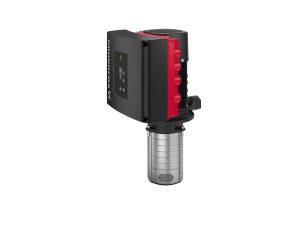
Grundfos DWK are submersible wastewater pumps designed for handling sewage, drainage water, and liquids containing suspended solids. They are commonly used in lift stations, building basements, and flood-prone areas.
Materials & Construction
-
Pump body made of cast iron for high corrosion resistance.
-
Semi-open impeller for handling solids and sludge.
-
Double mechanical seals to protect the motor from leakage.
Durability and Service Life
-
Designed for continuous 24/7 operation.
-
Built-in motor cooling prevents overheating.
-
Requires low maintenance compared to conventional surface pumps.
DWK in Wastewater Lift Stations
-
Transfers wastewater from collection pits to main sewage networks.
-
Ideal for municipal and commercial pumping stations with variable flow demand.
DWK in Building Basements
-
Removes groundwater seepage.
-
Drains accumulated rainwater.
-
Prevents structural damage and basement flooding.
DWK for Tunnels and Low-Level Areas
-
Handles high water volume in short time intervals.
-
Suitable for roads, subways, underground passages, and infrastructure drainage.
BMS Integration and Control
-
Can be integrated directly with Building Management Systems (BMS).
-
Real-time performance monitoring.
-
Instant alerts for high water level or malfunction.
Project Benefits of Using DWK
-
High efficiency with reduced energy cost.
-
Stable performance under heavy load.
-
Long service life with simple maintenance.
Quick Comparison with Other Pump Types
| Pump Type | Application | Power | Maintenance |
|---|---|---|---|
| DWK | Wastewater + Basements | High | Low |
| Surface Pumps | Clean water only | Medium | Medium |
| Small Drain Pumps | Domestic use | Low | Simple |
How to Select the Correct Pump Size
-
Determine water level depth.
-
Calculate required flow rate (m³/h).
-
Identify total dynamic head (m).
-
Choose motor power suitable for continuous operation.