
Table of Content
• What is an Electronic Thermal-Magnetic Circuit Breaker
• How It Works in Modern Electrical Systems
• Thermal Protection Function (Overload Control)
• Magnetic Protection Function (Short-Circuit Response)
• Digital Monitoring and Smart Adjustment
• Advantages Compared to Standard Breakers
• Applications in Commercial and Industrial Projects
• How to Select the Right Rating and Specifications
• Benefits of Professional Supply and Installation
• Reliable Sources
What is an Electronic Thermal-Magnetic Circuit Breaker
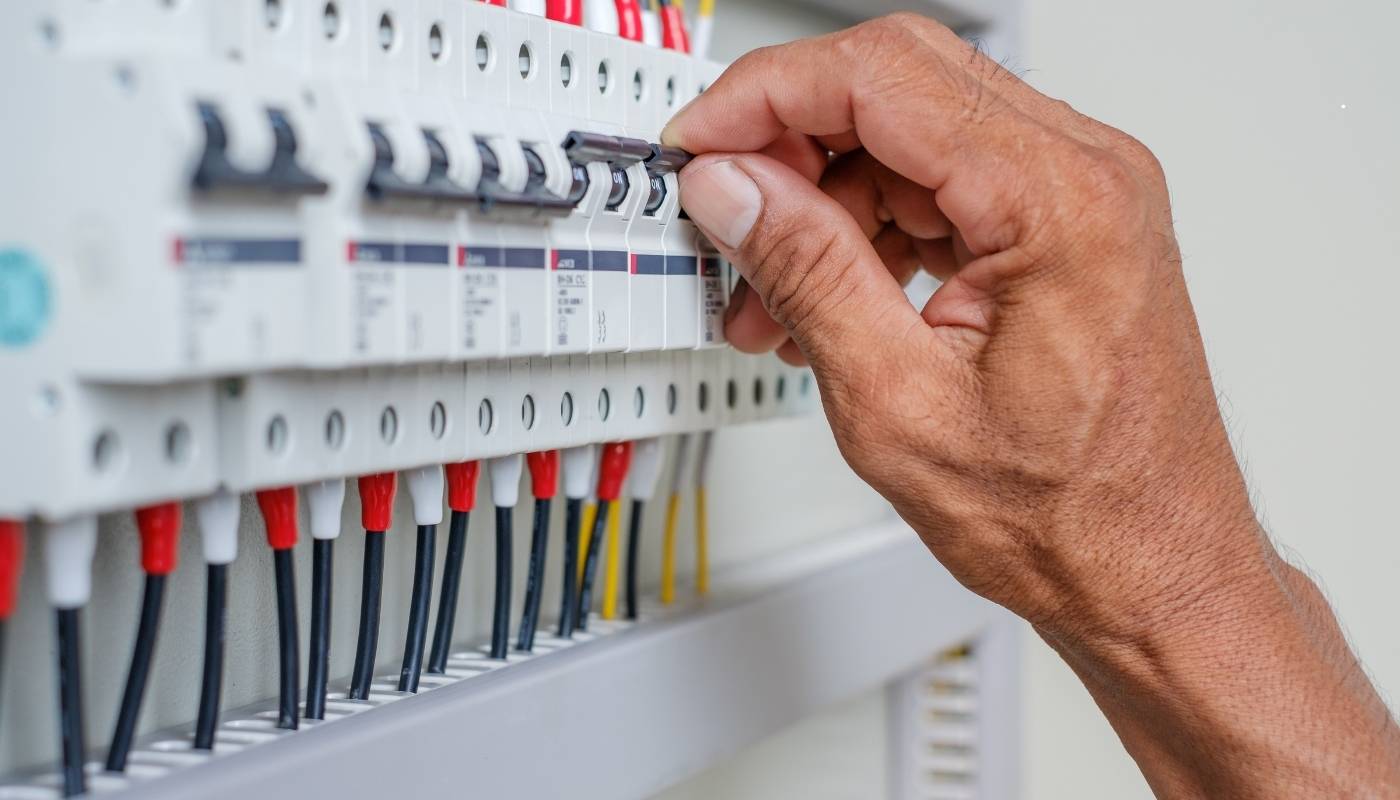
An Electronic Thermal-Magnetic Circuit Breaker is a smart protection device designed to safeguard electrical systems against overloads and short circuits. It uses both thermal sensors and magnetic trip units, supported by digital logic, to provide precise, fast, and stable response. This type of breaker ensures reliable protection, reduces equipment failure, and enhances efficiency in modern installations where continuity of power is essential.
How It Works in Modern Electrical Systems
This breaker continuously monitors electrical current in real-time. When current remains within the normal operating range, it allows stable operation. If the current increases due to overload or sudden fault conditions, the breaker responds differently depending on the nature of the surge — using thermal or magnetic action — ensuring accurate and safe interruption.
Thermal Protection Function (Overload Control)
The thermal protection unit responds to gradual increases in current that exceed the system’s operational limits. If electrical loads continue to rise for an extended period, the breaker detects the heat generated and disconnects the circuit to prevent overheating, insulation damage, and equipment burnout. This prevents long-term deterioration and ensures system reliability.
Magnetic Protection Function (Short-Circuit Response)
The magnetic unit operates instantly in the case of a sudden high current spike caused by a short circuit. It disconnects the circuit within milliseconds, preventing severe damage, arc flash hazards, and potential fire risks. This fast reaction protects both the infrastructure and the personnel working around the system.
Digital Monitoring and Smart Adjustment
Unlike traditional breakers, the electronic thermal-magnetic breaker allows fine system tuning. Technicians can adjust trip points, monitor performance trends, and review fault histories. When integrated with Building Management Systems (BMS), it enables remote supervision, preventive maintenance, and faster troubleshooting — reducing downtime and operational costs.
Advantages Compared to Standard Breakers
| Feature | Standard Breaker | Electronic Thermal-Magnetic Breaker |
|---|---|---|
| Precision | Moderate | Very High |
| Control | Manual Only | Manual + Smart Digital Control |
| Early Fault Warnings | Not Available | Available |
| BMS Integration | Not Supported | Fully Supported |
| Service Life | Lower | Longer and More Stable |
Applications in Commercial and Industrial Projects
This type of breaker is widely used in commercial buildings, data centers, large residential complexes, manufacturing plants, water treatment facilities, and energy distribution rooms. It ensures continuous operation in environments where system interruption could lead to financial loss, safety risk, or production halt.
How to Select the Right Rating and Specifications
Selection begins by evaluating the actual operating current of connected loads, followed by analyzing possible future expansion needs. The next step is determining short-circuit current capacity to ensure the breaker can withstand fault conditions. Factors such as building type, environment, and criticality of the application must also be considered to guarantee safety and reliability.
Benefits of Professional Supply and Installation
Working with specialized suppliers ensures precise system sizing, proper calibration, and correct BMS integration settings. Professional installation reduces the risk of wiring errors, overheating, misconfigurations, and system downtime. You are not just purchasing a product — you are investing in operational continuity and long-term safety.
Reliable Sources
• Schneider Electric – Electronic Thermal-Magnetic Circuit Breakers
https://www.se.com
• Siemens – Smart Electrical Protection Devices
https://www.siemens.com
• ABB – Intelligent Circuit Breaker Protection Systems
https://new.abb.com